

Organ donation is one of the most meaningful ways to make a difference in someone’s life. By choosing to become a donor, you could save people waiting for transplants and give their families new hope. Even though many support the idea, far fewer are registered. Often it comes down to simple things, not knowing how it works, or holding on to old misconceptions.
Understanding what donation really means can help close that gap and inspire more people to take the next step. In this Bios post, we’ll look at the different kinds of donation and clear up a few common myths.
What Kinds of Donations Are Possible?
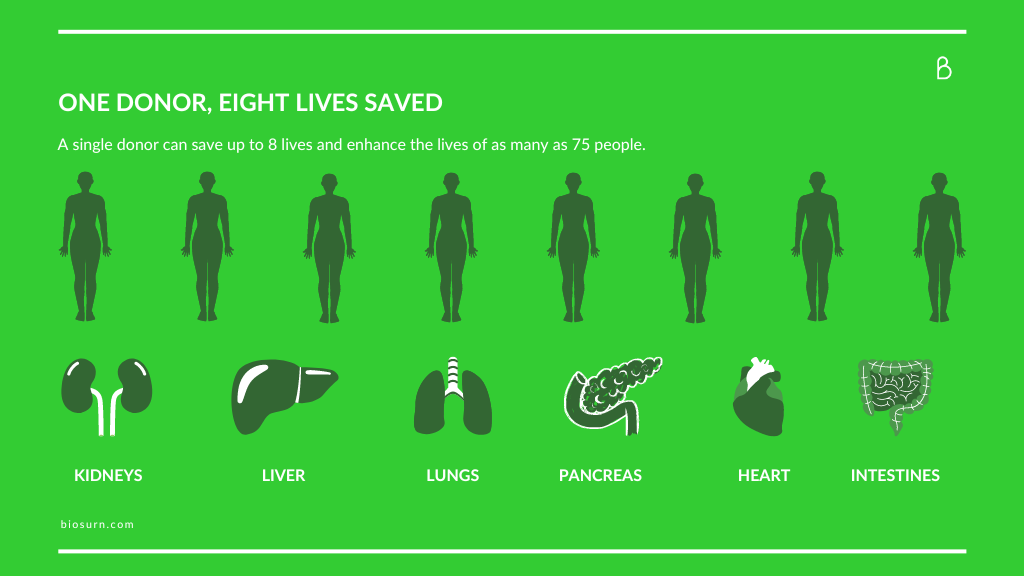
Most organ donations happen after death. One donor can save up to eight lives by donating vital organs, such as the kidneys, liver, lungs, heart, and pancreas to patients in need.
Tissue donation is another way to help. Skin, bones, heart valves, and corneas can improve the quality of life for as many as 75 people. These donations may help burn survivors heal, restore someone’s sight, or improve mobility for countless others.
People who are medically fit can also donate a kidney, part of their liver, or a lobe of their lung while living. This shortens transplant waiting times. Living donation is closely regulated and typically occurs between family members or close friends.
Body donation can make an equally powerful contribution to science and medicine. Donating your body helps train future doctors and advance life-saving studies. You can read more in our article You Can Donate Your Body to Science and Then Use a Bios Urn®.
Busting Myths about Organ Donation
Even though many agree that organ donation saves lives, some still hesitate to register due to myths and uncertainties. Some people worry that doctors won’t do everything possible to save a donor’s life, but this isn’t true. Doctors and medical professionals always prioritize saving their patients, and organ donation is only considered after every possible life-saving effort has been made.
Another misconception is that age or health automatically prevents donation. In reality, there’s no such limit. Medical professionals evaluate each case and decide which organs or tissues can be used after a person has passed away. Just about anyone, at any age, can become an organ donor. Those under 18 need the consent of a parent or guardian. And no, you’re never too old to make a difference. In fact, a 95-year-old man donated his liver when he died, making him the oldest known organ donor in the United States.
There’s also the concern that organ, tissue, or body donation might interfere with pre-need funeral plans and costs. The truth is, it doesn’t. Being a donor comes at no expense, and in many cases, cremation costs are also covered, with ashes returned within weeks. We also shared in our article You Can Donate Your Organs and Then Become a Tree Using a Bios Urn® on how those who choose to donate their organs and be cremated afterward continue to give back to the earth. The Bios Urn can be used with any amount of ash from cremation, so it would work even with the smallest amount.
Becoming a Registered Donor
In some countries, like England, Wales, and Singapore, individuals are automatically considered donors unless they opt out. In others, registration is required. It’s a simple process that varies slightly depending on where you live, but its impact is immeasurable.
Resources for Registering:
- United States: organdonor.gov or through your local Department of Motor Vehicles.
- Canada: Government of Canada
- Australia: Donate Life
- New Zealand: Organ Donation New Zealand
Many in our Bios community have already taken that step, pre-planning their end-of-life wishes to include organ donation, and then after the donation is complete, their cremation ashes return and transform into a tree using the Bios Urn. Their reasons vary, but each story reflects compassion and the desire to continue giving. You can read their stories here, and perhaps they will inspire you to do the same.
Continuing the Circle of Giving
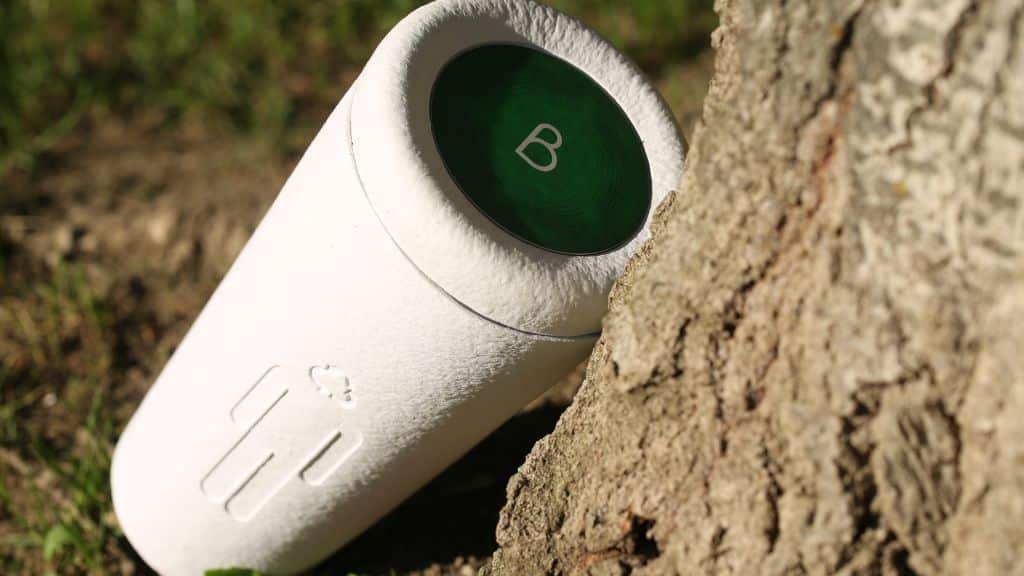
Becoming a donor is one of the most meaningful ways to give. Pairing this decision with a Bios Urn® allows that generosity to come full circle, returning life to the earth as it once gave others.
Have you ever considered becoming an organ donor? Your decision today could give hope to someone tomorrow. We would love to hear from you in the Comments section below on anything related to this article!
To keep up to date with all the latest Bios Urn® news and stories, you can follow us on Facebook, Instagram, Twitter, Pinterest, and YouTube!
Join our mailing list to keep you updated of all Bios® news and get a 10% Discount!





Leave a Reply