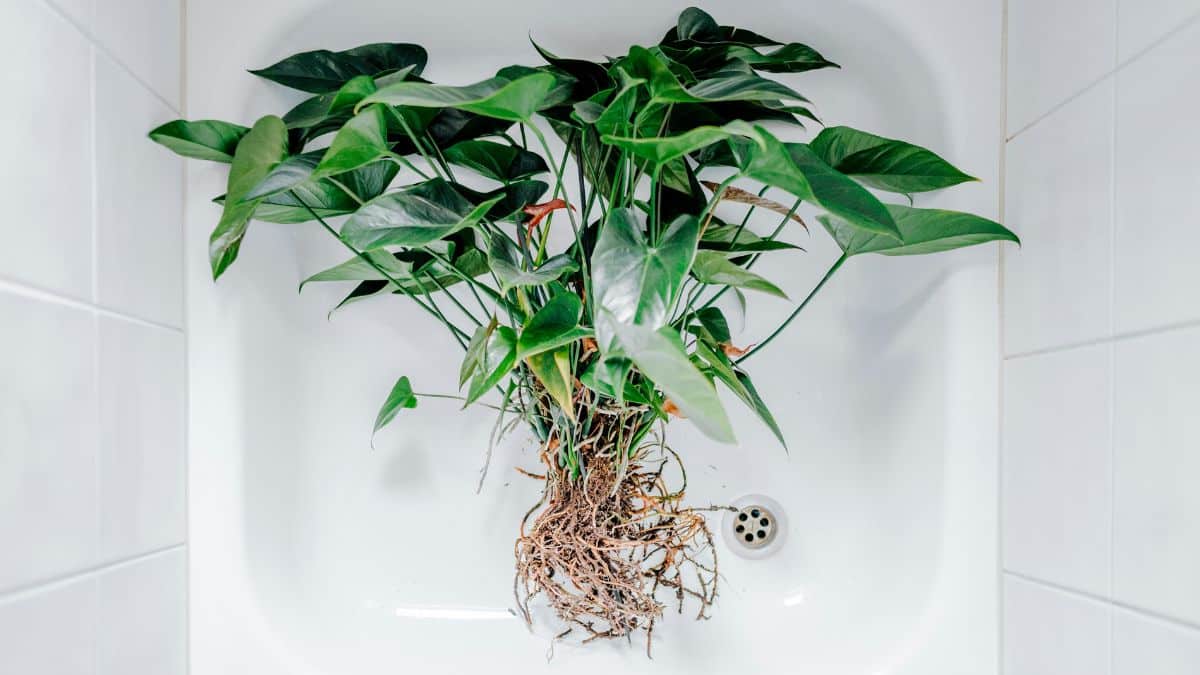

From peace lilies in bedrooms to cherry tomatoes on balconies, people are getting more creative with what they grow at home. Whether for a touch of green, cleaner air, or tonight’s dinner, gardening has taken root in all kinds of spaces. But one of the most surprising things people are starting to cultivate? Toilet paper. Yes, homegrown tissue.
The Environmental Cost of Commercial Toilet Paper
Most of the toilet paper on store shelves is made from virgin pulp. According to Greg Grishchenko, a retired mechanical engineer with over 40 years in the tissue industry, the soft, bright rolls we know and love still rely heavily on virgin pulp. This pulp, sourced from forest or plantation trees and often carries a hidden environmental cost.
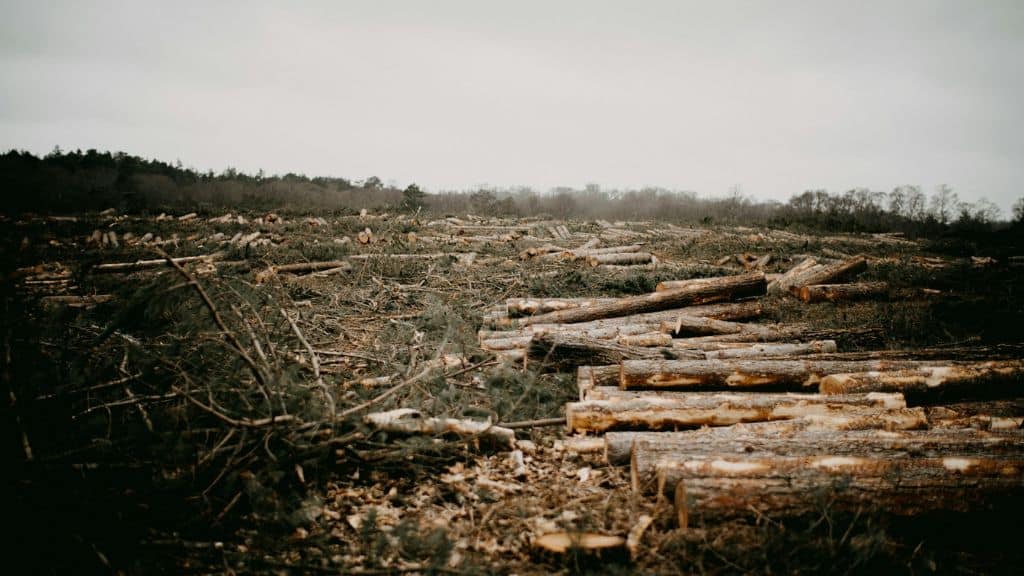
Nearly a million trees are cut down every year to meet global demand. That’s a massive loss of forest for something used once and tossed away. According to Ethical Consumer, this demand fuels deforestation, biodiversity loss, soil erosion, species extinction, and widespread ecosystem disruption.
Fortunately, sustainable alternatives are gaining ground. While some brands are turning to bamboo or sugarcane, others are looking even closer to home.
Could the Answer Be Growing In Your Backyard?
Martin Odhiambo, a herbalist at the National Museum of Kenya, believes a greener solution might already be growing around us. The idea of using plants for personal hygiene is not new; in fact, it is a practice that has been passed down through generations.
In Meru, eastern Kenya, Benjamin Mutembei has been growing a plant called Plectranthus barbatus for this very purpose since 1985. Known locally as a “Kikuyu toilet paper,” this leafy plant has been his go-to for decades, a practice he learned from his grandfather. “It’s soft and has a nice smell,” Mutembei says.
“Plectranthus barbatus is the African toilet paper,” Odhiambo says. “Many young people nowadays are unaware of this plant, but it has the potential to be an environmentally friendly alternative to toilet paper.”
It’s not just in Kenya. Environmental activist Robin Greenfield is one of the voices behind the “Grow Your Own Toilet Paper” Initiative. Instead of stocking store-bought rolls, he has been using leaves from the blue spur flower plant growing in his Florida nursery for years.

Meet the Plant: Plectranthus barbatus
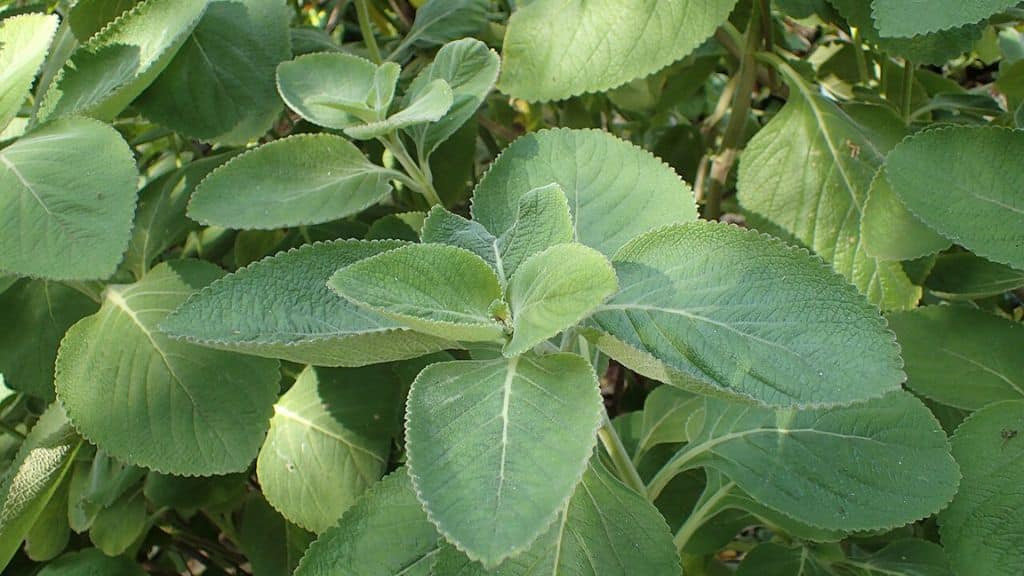
Also known as blue spur flower, boldo, or boldo gaúcho, this plant belongs to the mint family. Its lemony-scented leaves are roughly the same size as a typical toilet paper square and covered in tiny hairs, giving them a soft texture.
The plant thrives in warm tropical climates, partial sunlight, and nutrient-rich soil, and it is fairly drought-tolerant. In parts of Africa, it is also used to mark property lines. It can reach a full height of about 2m (6.6ft) in just one to two months.
In the United States, it grows well in USDA hardiness zones 8 through 11. That includes Florida, large parts of California, and other regions. Find your hardiness zone here.
Beyond the Bathroom: Other Uses
The plant also produces a beautiful purple flower that attracts hummingbirds and is also perfect for garden beds. In Brazil, the leaves have even been used medicinally, brewed as a tea to soothe upset stomachs.
Growing plants at home goes beyond decoration; it can also reshape everyday routines. As Plectranthus barbatus shows, even the most basic routines can become more connected to nature. Whether it’s mint for tea, aloe for skin care, or Plectranthus barbatus for personal hygiene, nature has more to offer than we often realize.
At Bios, we love discovering how people reconnect with nature in everyday ways. From cultivating fresh backyard produce to growing trees with ashes using a Bios Urn®.
Would you try growing your own toilet paper at home? We would love to hear from you in the Comments section below!
To keep up to date with all the latest Bios Urn® news and stories, follow us on Facebook, Instagram, Twitter, Pinterest, and YouTube!
Join our mailing list to keep you updated of all Bios® news and get a 10% Discount!




Leave a Reply