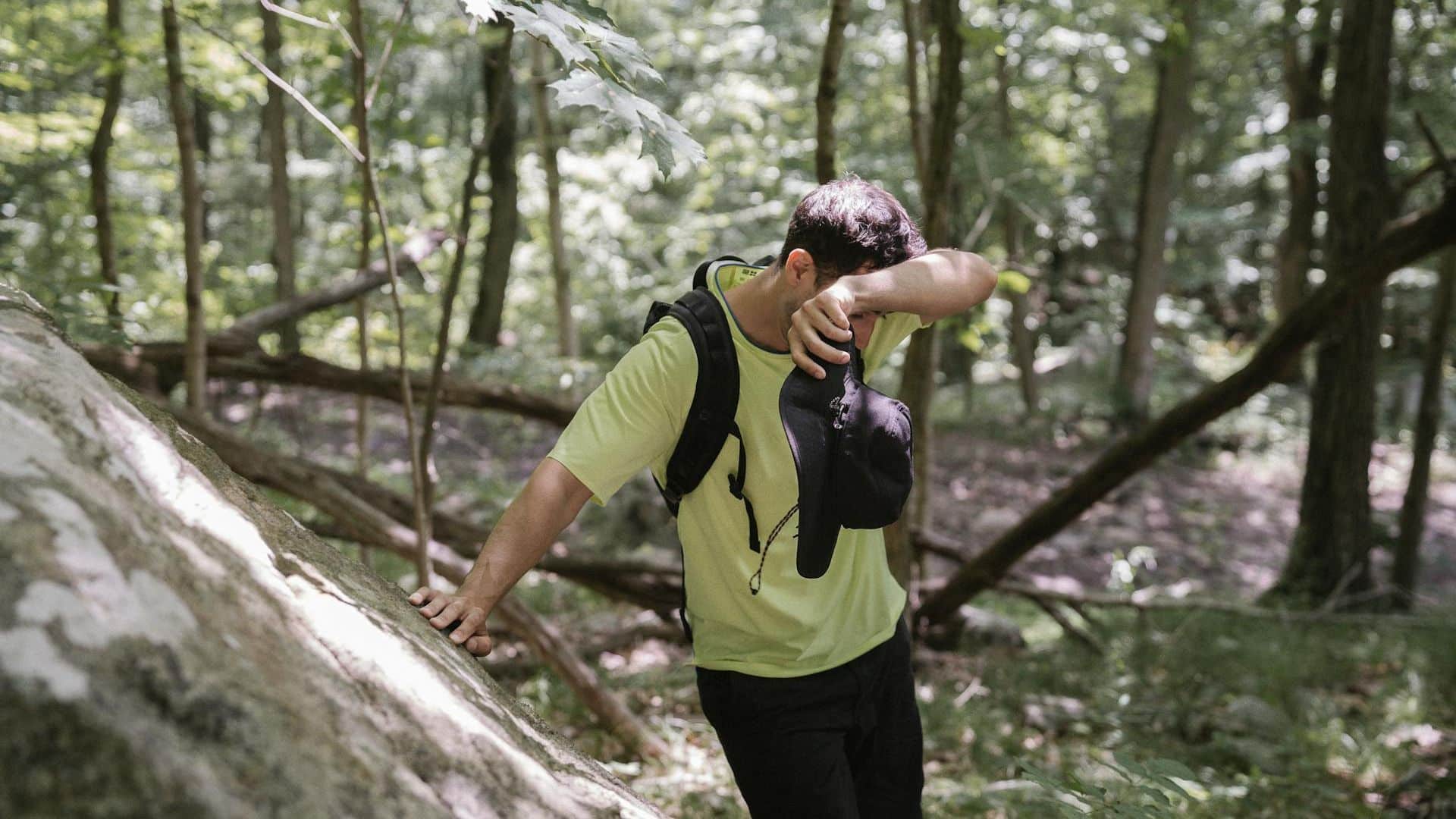

Extreme heat does more than leave us tired, dehydrated, and uncomfortable. Researchers are now discovering that repeated heat exposure may also impact the aging process of our bodies.
Most of us think about heat in the short term. We notice headaches, poor sleep, dehydration, or the risk of heat exhaustion after a particularly hot day. However, researchers are beginning to uncover another consequence that receives far less attention. Studies suggest that prolonged exposure to high temperatures may accelerate biological aging.
Biological aging is different from chronological age. Chronological age simply counts the number of birthdays we have had. Biological aging, on the other hand, reflects how well our cells, tissues, and organs are functioning. Two people may be the same age on paper, yet their bodies may be aging at different rates.

How Extreme Heat Affects the Body
The immediate risks of extreme heat are serious enough on their own. High temperatures can place additional strain on the heart, kidneys, brain, and other vital organs. During a heatwave, the body must work harder to regulate temperature and maintain hydration.
Over time, that stress can add up. Researchers have linked prolonged heat exposure to increased risk of cardiovascular disease, diabetes, dementia, and other chronic health conditions. Some reporting has even compared the impact of extreme heat on biological aging to other well-known stressors, such as smoking or heavy drinking.
What Researchers Are Learning About Extreme Heat and Aging
One long-term study in Taiwan followed nearly 25,000 people over 15 years. Researchers found that repeated exposure to heatwaves was associated with faster biological aging. On average, two years of additional heatwave exposure increased biological age by between eight and 12 days.
That number may seem small, yet researchers note that small shifts across large populations can have significant public health consequences, especially as heatwaves become more frequent.
Other studies point in a similar direction. People living in areas of extreme heat may show biological ages up to 14 months older than those living in cooler regions, even after accounting for factors like income, lifestyle, and health conditions.
Scientists are still working to understand why this happens. Current research points to inflammation, oxidative stress, hormonal disruption, and changes in DNA methylation. All of these processes may influence how the body responds to heat over time.
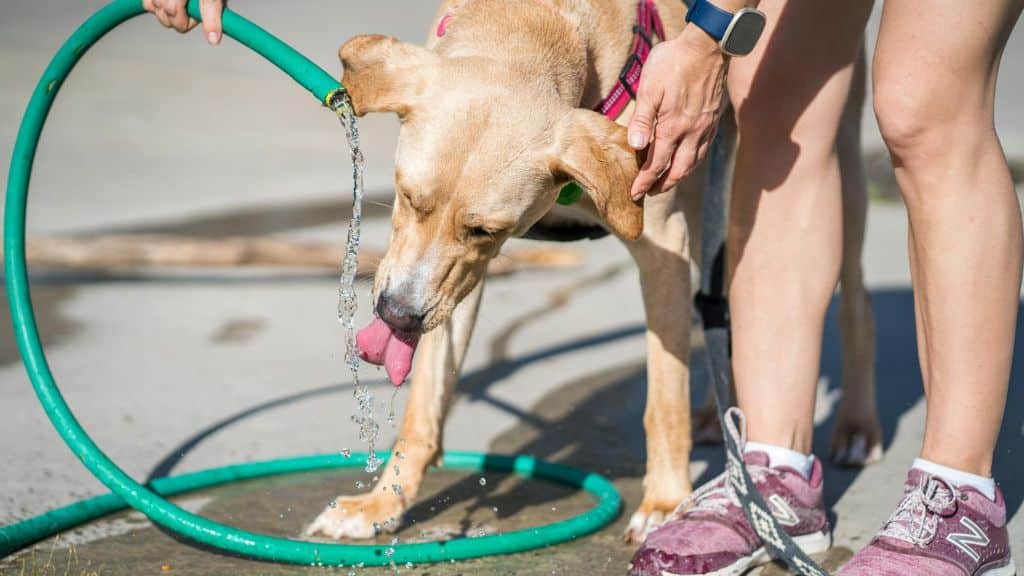
Extreme Heat Does Not Only Affect Humans
People are not the only ones feeling the heat.
Extreme heat can also affect our animal companions. Dogs, cats, and other pets are vulnerable to overheating and heatstroke, particularly during walks, travel, or extended periods outdoors.
Plants struggle as well. Prolonged heat can cause wilting, scorched leaves, reduced growth, and increased vulnerability to pests and disease. For many people, warmer weather also means spending more time caring for gardens, young trees, and outdoor spaces. Heat stress can affect these living systems just as it affects us.
In many ways, environmental stress rarely stops with one species. The same conditions that challenge human health often place pressure on the plants and animals around us, too.
Ways to Stay Cooler in a Hotter World
The good news is that the outcome is not fixed. Researchers say access to shade, hydration, cooling, greener urban spaces, and stronger community support can all help reduce the health impacts of extreme heat.
Sometimes the simplest habits matter most: carrying water, taking breaks in the shade, choosing cooler times of day for outdoor activities, and paying attention to signs of heat stress in ourselves, our loved ones, and even our pets. As temperatures continue to rise in many parts of the world, these measures are becoming increasingly important.
A sunny day can feel harmless enough. Yet growing research suggests that extreme heat may leave a deeper mark on the body than we once understood.
How do you think extreme heat is changing the way we live, age, and care for ourselves, as well as the plants and animals around us? We would love to hear your thoughts in the Comments section below!
To keep up to date with all the latest Bios Urn® news and stories, follow us on Facebook, Instagram, X, Pinterest, and YouTube!
Join our mailing list to keep you updated of all Bios® news and get a 10% Discount!





Leave a Reply