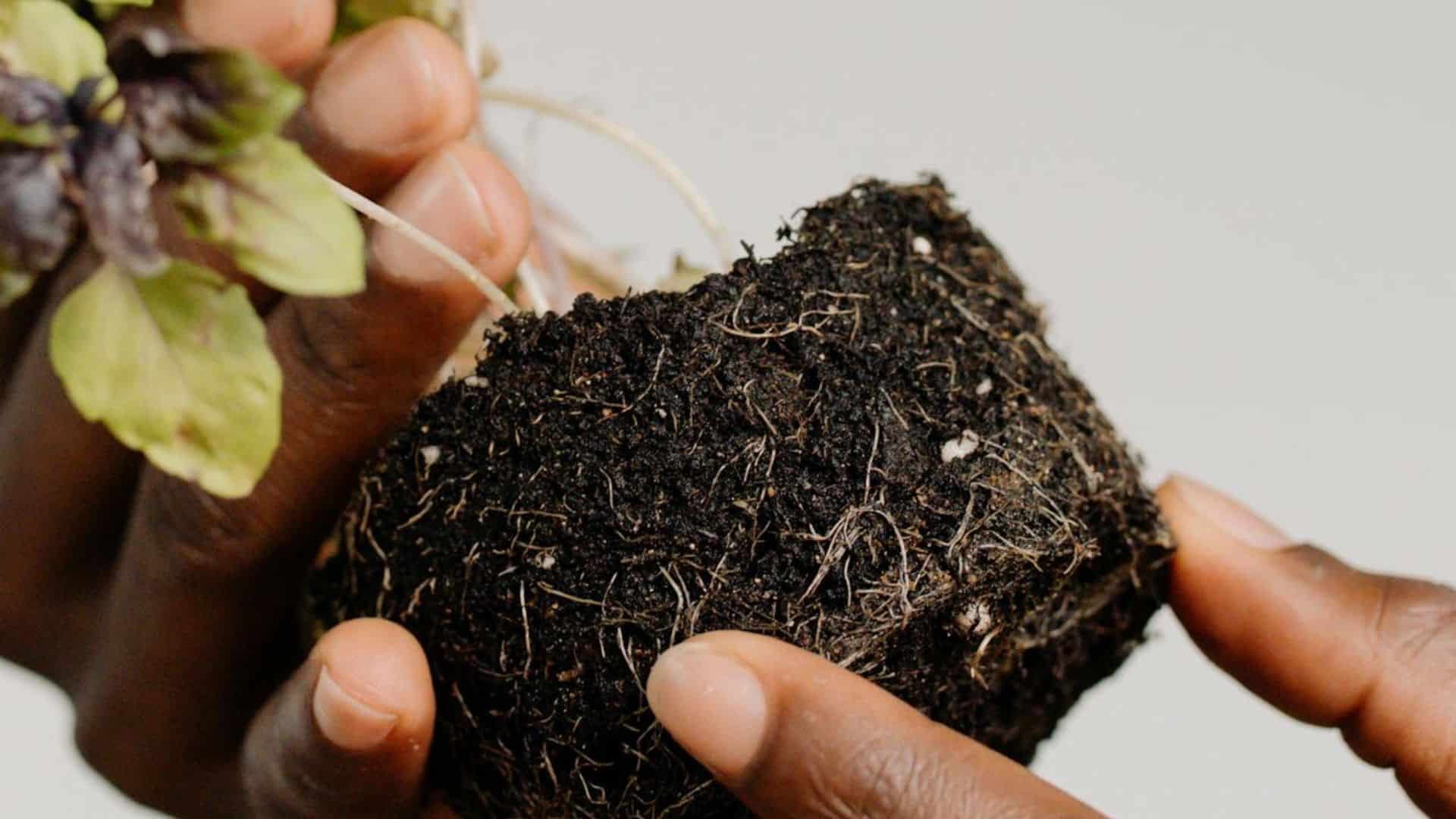

Bioremediation is a great place to start if you are curious about ecology. It is also fascinating for those interested in nature restoration.
Currently, our shared planet faces many challenges. Human development causes pollution in our air, soil, and waterways. This has become part of our everyday reality. Consequently, we see these effects in the toxins we breathe and the declining health of the soil.
However, a very important role often goes unnoticed. Microorganisms help these ecosystems recover. These tiny living organisms exist on nearly every surface. Even though they are almost invisible, they are remarkably powerful. They can reverse much of the damage humans have caused. Their ability to restore balance caught our attention at Bios. This led us to explore how bioremediation works and how these microbes help our planet heal.
What is bioremediation?
Bioremediation uses living organisms–including plants, bacteria, fungi, and other microorganisms–to help clean contaminated air, soil, and water.
In many cases, microorganisms play the central role. They produce enzymes that break down pollutants into simpler compounds. Microbes then use those compounds as a source of energy. This process gradually transforms harmful substances into less toxic forms. Finally, these substances can safely re-enter ecological cycles.
For bioremediation to work, conditions must be suitable. Temperature, oxygen, and nutrients all matter. These factors influence how quickly microbial populations grow. Sometimes, the right microorganisms are present, but their numbers are too low. In these cases, scientists may introduce additional microbes to help support recovery. This process is known as bioaugmentation.
While bioremediation does not replace prevention, it offers a powerful tool. It allows us to work with biological systems to support restoration over time.

How does bioremediation work?
At its core, bioremediation builds on nature’s own responses. When pollutants are present, certain microorganisms adapt. They use metabolic processes to transform harmful substances into simpler, safer forms across our air, soil, and water.
In the air
Plants and microalgae absorb carbon dioxide through photosynthesis. Similarly, industrial settings use biofiltration systems. These systems use microorganisms to break down airborne pollutants before they are even released, often replacing harsh chemical treatments.
Furthermore, mosses are incredibly useful plants. Even though they are often overlooked, mosses accumulate heavy metals from the air. Because of this, urban areas use them to monitor pollution levels.
In the soil
Soil often absorbs much of what we leave behind. However, hyperaccumulator plants are able to draw heavy metals and pollutants through their roots. This process is called phytoremediation.
Additionally, fungi also play a crucial role underground. Through mycoremediation, fungal networks break down complex toxic compounds. These forms of repair are gradual. Nevertheless, they show that damaged landscapes are not irreversible.
In the water
Water systems are especially vulnerable to oil spills or industrial runoff. Fortunately, certain marine microorganisms, such as Marinobacter, can break down harmful compounds. This process takes time. However, when we support natural microbial activity, we can significantly accelerate the recovery in affected areas.

Across air, soil, and water, the pattern is similar. Living organisms do not erase damage; they help transform it. Bioremediation may be a slow process, but continued research is improving its effectiveness.
Nature has long carried its own mechanisms for restoration. Bioremediation simply helps us understand and support these processes. It reminds us that healing often begins at the smallest scale. Some organisms are too small to see, yet they are powerful enough to change the world.
How do you imagine bioremediation shaping the future of environmental restoration? We would love to hear your thoughts in the Comments section below!
To keep up to date with all the latest Bios Urn® news and stories, follow us on Facebook, Instagram, X, Pinterest, and YouTube!
Join our mailing list to keep you updated of all Bios® news and get a 10% Discount!





Leave a Reply