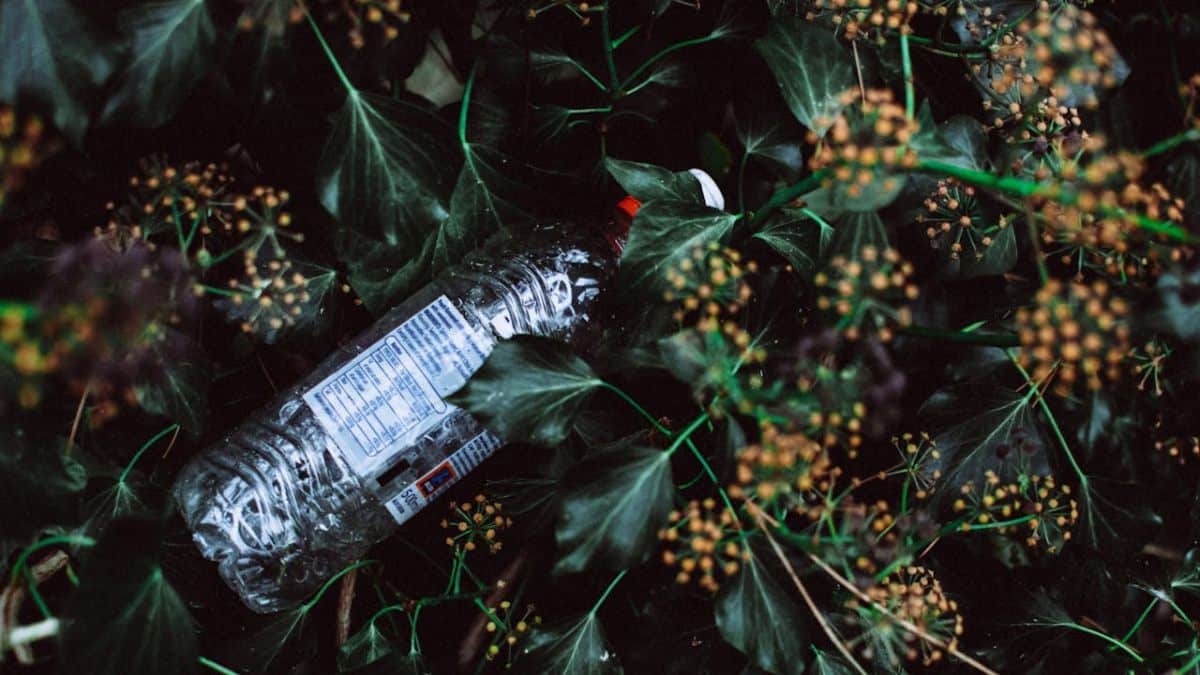

Plastivore is not yet a household word, but it is raising new questions about what happens to the plastic waste we leave behind. Researchers are now asking whether plastivores, including certain worms and microbes, could help shape a different future for plastic waste.
At Bios, we are drawn to ideas like this. Nature often offers new ways for the materials we discard. After recently exploring bioremediation and how living organisms can help restore damaged environments, in this post, we are taking a closer look at one particularly stubborn material: plastic.
For many of us, recycling has felt like the obvious answer. But the reality is more complicated. Not everything can be fully recycled. Even when plastic is turned into new products, its quality and value often decline. This process, known as downcycling, may reduce waste in the short term. Still, it does not fully address the problem. In many cases, it simply delays it.
Why Plastic Waste Is So Hard To Escape
Plastic remains one of the most widespread and persistent forms of waste on Earth. Each year, the world produces around 400 million tonnes of plastic. Much of it quickly becomes waste.
Polyethylene, in particular, is produced in enormous quantities. Its chemical resilience makes it especially difficult to break down. That durability helped make plastic so useful in the first place. It also makes discarded plastic much more difficult to manage.
A large share of plastic waste is never truly recovered. Only a small portion is recycled. The rest is incinerated, sent to landfills, or leaked into the environment. There, it can remain for decades or even centuries. Some of it eventually breaks down into microplastics and moves through marine ecosystems and food chains.

Meet Plastivores: The Organisms Taking On Plastic
This is where plastivores enter the conversation. A plastivore is an organism that can consume certain types of plastics. This includes waxworms (Galleria mellonella) and lesser mealworms (Alphitobius diaperinus).
The worms themselves often capture the headlines. But the real scientific interest lies in the enzymes and microbial processes behind them. Researchers are studying how these enzymes break plastics into simpler compounds. They also want to know whether they can identify, improve, and scale these processes.
Some of the most promising discoveries involve microbes and the enzymes they produce. One of the best-known examples is Ideonella sakaiensis, a bacterium that produces an enzyme called PETase. PETase can break down PET much faster than it would degrade in nature.
Why Plastivores Are Not a Simple Fix
Waxworms have drawn particular attention because they can process polyethylene into lipids, storing it as body fat. Lesser mealworms have also shown an ability to consume polystyrene.
Still, there is an important limit to keep in mind. These organisms do not thrive on plastics alone. In other words, this is not nature’s simple answer to the plastic crisis.
This research matters, but not because worms will eat our waste away. Instead, they may help us understand how plastic breaks down more effectively. Researchers are also exploring whether they can upcycle plastic into something more valuable. Possible outputs include flavor compounds like vanillin, pharmaceutical intermediates, cosmetics, and textiles.

Rethinking Plastic Waste and What We Leave Behind
The science around plastivore is genuinely exciting, and we have nature to thank for the inspiration.
Still, this does not mean we can continue producing waste as usual. Instead, it asks us to rethink our relationship with plastic. We need to make better use of what is already in circulation, reduce how much we create, and look for more environmentally responsible alternatives.
Plastic waste is not only a technical problem. It is also a design problem, a consumption problem, and a relationship problem. It invites us to ask a broader question: what do we leave behind, and what kind of impact will it have?
At Bios, this is something we think about often. It shapes how we see materials, design, and the role they play in the lives we live and the memories we leave behind.
So, can plastivores shape the future of plastic waste? Perhaps, but not by making the problem disappear for us. Its real value may lie in helping us design better systems, rethink waste more honestly, and learn from the ways nature responds to what we leave behind.
How do you imagine a plastivore shaping the future of plastic waste solutions? We would love to hear your thoughts in the comments section below!
To keep up to date with all the latest Bios Urn® news and stories, follow us on Facebook, Instagram, X, Pinterest, and YouTube!
Join our mailing list to keep you updated of all Bios® news and get a 10% Discount!





Leave a Reply